


A world reimagined — why fashion and makeup matter in Wicked
- Nov 26, 2025
- 4 min read


Adaptations often reflect more than just a new spin on old stories, they reinterpret identity, power structures, and cultural moments. The wardrobe and makeup in the new Wicked film do more than “look pretty”: they frame the personalities, histories, and inner conflicts of the characters in a fresh context.
According to an interview with the film’s costume designer Paul Tazewell, the creative choices , even the colours, were carefully considered not simply as homage, but as commentary.
Because the film is a prequel of sorts to the world of Oz, its aesthetic decisions mark a careful balance between nostalgia (for the 1939 film) and reinvention. By comparing the new looks to those of the original The Wizard of Oz, we can see how costume and makeup update not just for modern cinematic taste, but for contemporary ideas around identity, morality, and visual storytelling.

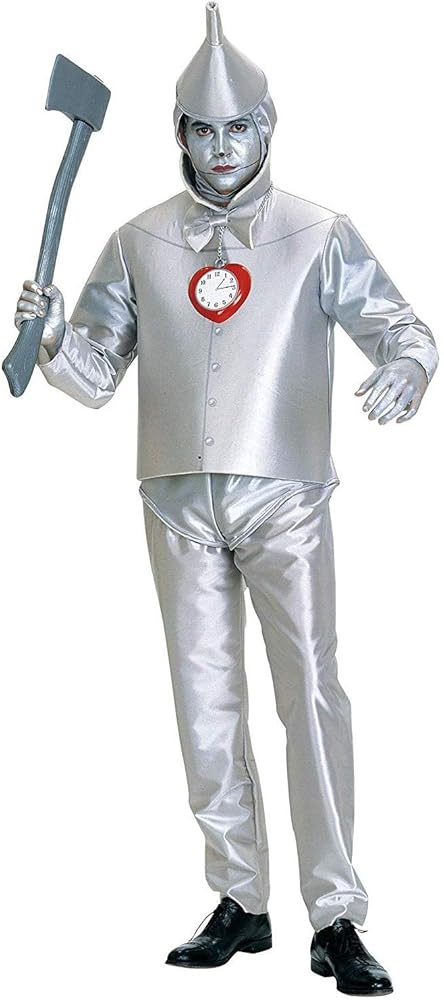
Practicality over glamour. In the 1939 film, the costumes were utilitarian: the hero’s journey wasn’t defined by high fashion but by archetypal simplicity. The protagonist, Dorothy Gale, wore a blue-and-white gingham dress, unpretentious, innocent, instantly recognisable.
Raw materials, physical toll. The fantastical characters, the Tin Man, the Scarecrow, the Cowardly Lion, relied on heavy costume constructions. The Cowardly Lion’s suit, for example, was reportedly made from real lion fur and skin and weighed around 50–60 lbs; it was notoriously hot and uncomfortable under studio lights.
Makeup as an old-school craft. The Scarecrow’s mask was made of sponge-rubber or foam latex, glued onto the actor’s face and removed daily, a process that sometimes left lasting marks. The Tin Man initially used a silver powder that was dangerously toxic, causing serious respiratory issues for the original actor, a grim reminder of early Hollywood’s disregard for safety.
A clear moral palette. The original film’s costumes and makeup weren't trying to be “fashionable” so much as symbolic. The tin, the fur, the masks, they were visual shorthand for “other,” for fantasy, for danger, for naiveté. There was little concern for glamour, but rather a desire for recognisable archetypes.
In short: the 1939 Oz built identity through material authenticity and archetype, not through stylistic flourishes.

The new Wicked embraces a very different design philosophy. Instead of rustic authenticity, there is visual vocabulary: colour, silhouette, fabric, and makeup all carry weight.
Colour as identity and contrast. Where the original Oz used drabness and heavy textures, Wicked opts for symbolic hues. Glinda (in the film, played by Ariana Grande) is draped in ethereal pinks, soft, youthful, almost otherworldly. In interviews, Tazewell admits this nods to the “good witch” aura of earlier incarnations, but is reimagined through a modern lens.
Subtlety instead of caricature. Elphaba (portrayed by Cynthia Erivo) travels a different path. Her costuming leans darker, more grounded, black or near-black fabrics, structured silhouettes, often with minimal ornamentation. The effect: a character defined not by theatrical prosthetics or animal fur, but by inner tension and moral complexity in character.
From stage to screen — elevated realism. The costume designer reportedly created over 1,000 costumes for the film. This abundance enables nuance: uniforms with subtle texture, gowns with modern tailoring, a greater variety of fabrics. Makeup, far from the heavy greasepaint or latex masks of 1939, is more naturalistic, polished, cinematic.
Narrative through wardrobe. In the new film, fashion isn’t just “how the witches dress”; it’s a visual shorthand for power, transformation, innocence or corruption. Glinda’s pink can read as purity, expectation, or fragility. Elphaba’s dark palette hints at rebellion, ambiguity, and defiance. The dichotomy becomes part of the story, not just a backdrop.
In short: Wicked uses wardrobe and makeup as a nuanced language, aesthetic, emotional, symbolic, rather than optical spectacle.

What the shift says about our era.
Modern identity is more complex. 1939’s Oz offered archetypes. The villain was obvious, the heroine clearly innocent. Today, few stories, or viewers, believe in such binary morality. The new film’s fashion mirrors that complexity: characters aren’t symbols so much as people with competing inner lives.
Cinema vs theatre: scale matters. Theatrical makeup and costumes, large, bold, exaggerated, change when translated to film. On screen, subtle
textures and colours register more powerfully. For a viewer today used to cinematic realism (or stylised realism), the dramatic, but more believable outfits resonate more deeply.
Fashion as social commentary. In 2025, audiences expect more than escapism. Through choices like Elphaba’s modern-costume realism or Glinda’s pastel symbolism, Wicked frames power, privilege, innocence, morality, and invites us to reflect. For many, this visual language speaks more to our world than asbestos-filled lion furs ever could.

Personal reflections: glamour, grit — and nostalgia re-imagined
Watching Wicked, I was struck by how different my emotional reaction was compared to when I first saw The Wizard of Oz. The original film, with its vibrant technicolor, its theatrical makeup and heavy costumes, felt like a fairy tale carved from raw materials: tin, fur, latex. It was rugged and imaginative.
But the new film feels like a conversation. The gowns, the coats, the makeup, they feel like they belong in a world that’s recognisably ours, even if it’s Oz. There’s grace; there’s grit. There’s nuance. I don’t see just witches or magical beings, I see characters making choices, living contradictions, grappling with identity.
For a generation more attuned to nuance, fluidity, and metaphor, Wicked’s fashion and makeup feel like a translation of myth into modernity, keeping the enchantment whilst letting it grow up.


